
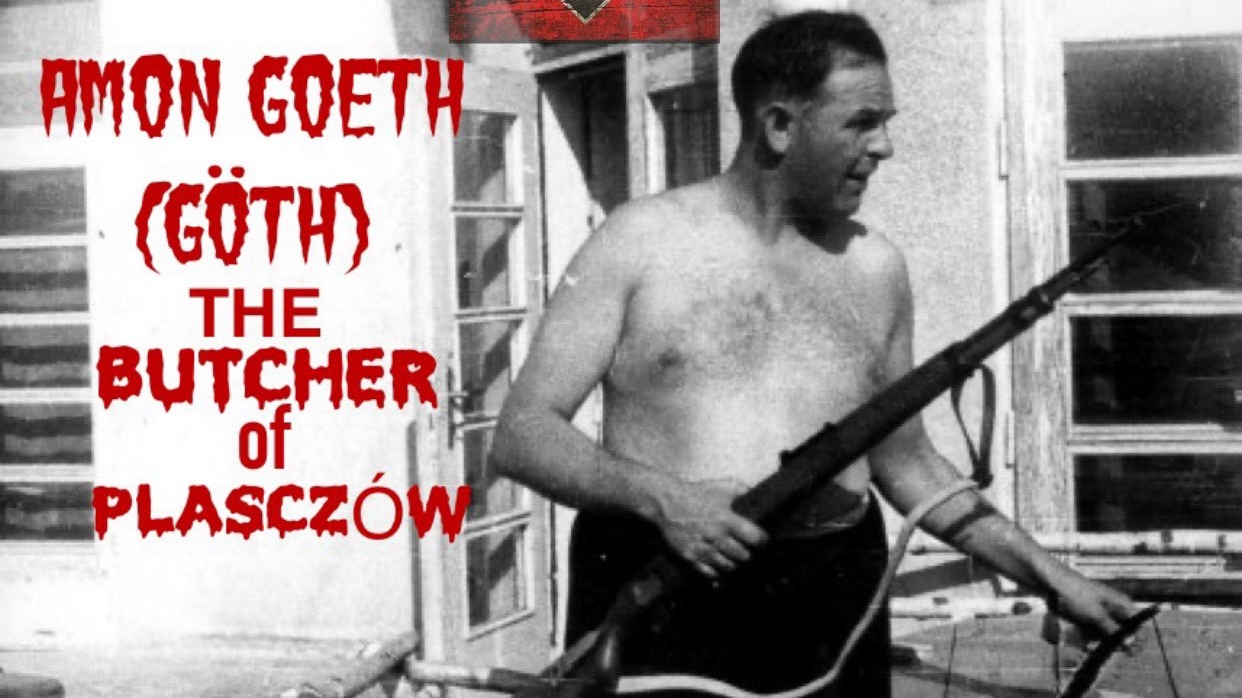
What was left out about this man in the fictional Schindler’s List Movie?

▪️Did you know he was arrested by the German SS in 1944 for “Brutality Against Inmates?”
▪️Did you know he was diagnosed by the SS is having a mental illness and committed to a mental institution before being arrested by the allies?
▪️Did you know the German soldiers were executed by the SS for brutality against inmates?
▪️ Did you know that his hanging attempt failed twice before being successful on the third try?
(See video)
“Spielberg’s movie made its premise (that the entire German military consisted of homicidal robots). The following vital, exculpatory information has been censored in order to maintain his depiction of the German military in the worst possible light.”
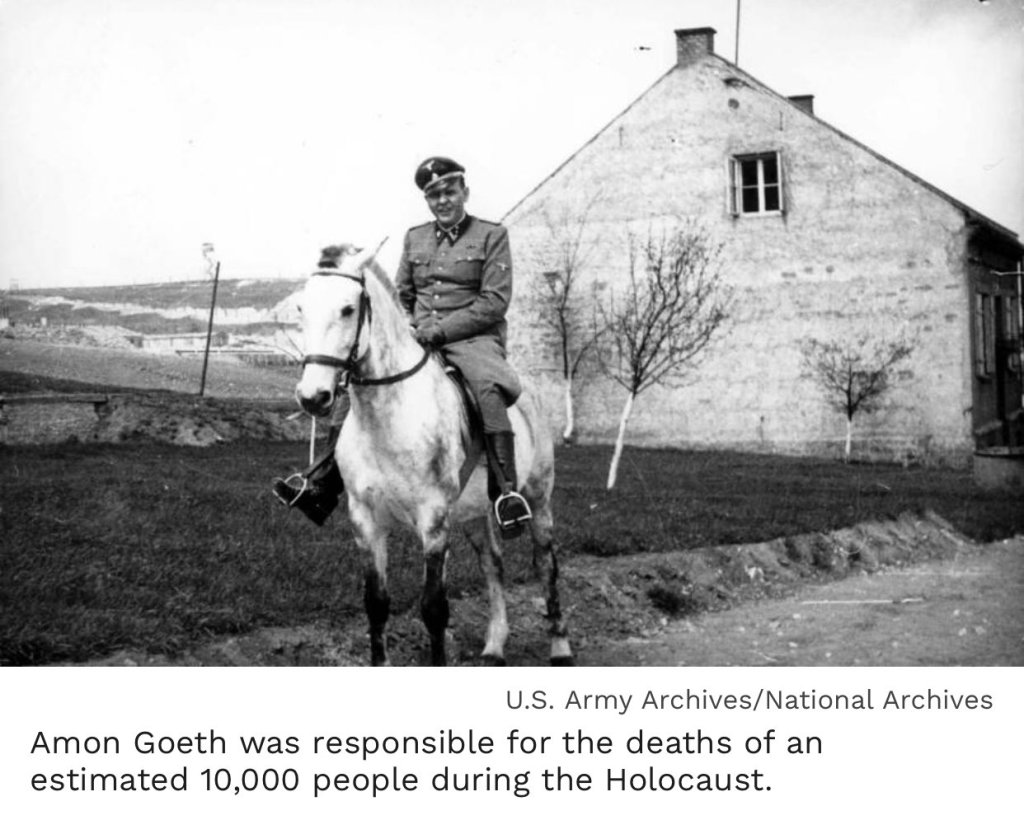
“Amon Göth was an Austrian SS . He served as the commandant of the Kraków-Płaszów concentration camp in Płaszów in German-occupied Poland for most of the camp’s existence during World War II.”
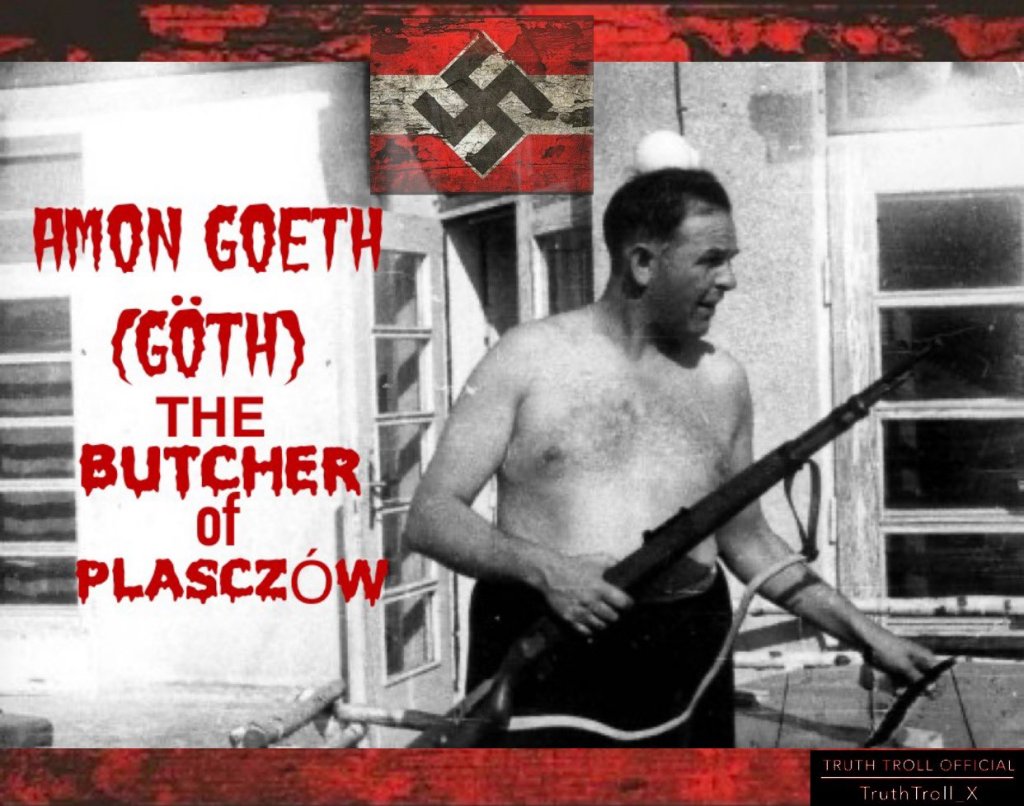
Did he shøøt prisoners from his balcony?
“The most important testimony in Amon Goeth’s trial came from one of his former maids, Helena Horowitz. The only witness.”
“She claims that he shot from a red house in her testimony, however tourists are taken to see the WHITE HOUSE on Jerozolimska street where Amon Goeth lived, it was at least a 10 minute drive from the location of the former camp.”
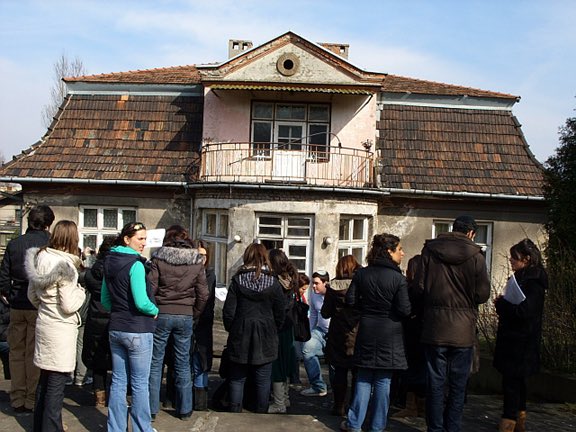
“In the book, the author says that Goeth stepped out of the front door of a “temporary residence” and shot prisoners at random. Later when he moved into a three-story white house on Jerozolimska Street, Goeth shot prisoners from the balcony, according to the novel. In the movie, Schindler’s List, Goeth is shown standing on the balcony in the rear of his house, shøøting prisoners, who were not working fast enough, with a high-powered rifle.”

“On 13 September 1944, Göth was relieved of his position and charged by the German SS with theft of Jèwish property, failure to provide adequate food to the prisoners under his charge, violation of concentration camp regulations regarding the treatment and punishment of prisoners, and allowing unauthorised access to camp personnel records by prisoners and non-commissioned officers.”
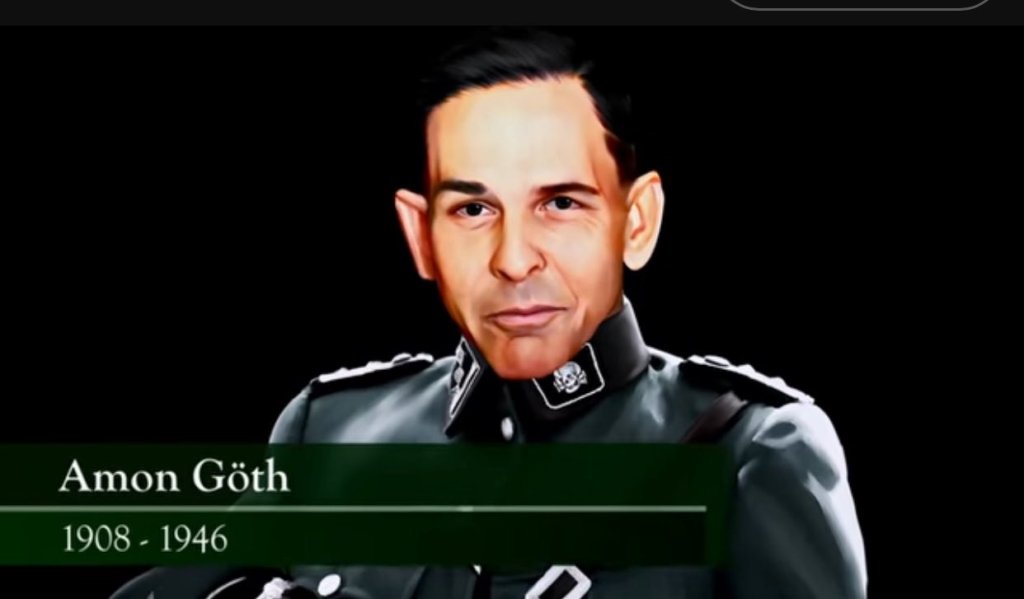
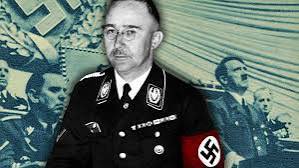
“David Crowe wrote that Amon Goeth had been arrested after a 6-month investigation of Goeth’s tenure as Plaszow’s Commandant. The man who investigated Goeth was Dr. Georg Konrad Morgen, a Waffen-SS officer and attorney whom Reichsführer-SS Heinrich Himmler had put in charge of investigating murder, corruption and mistreatment of prisoners in all the German concentration camps in 1943.”
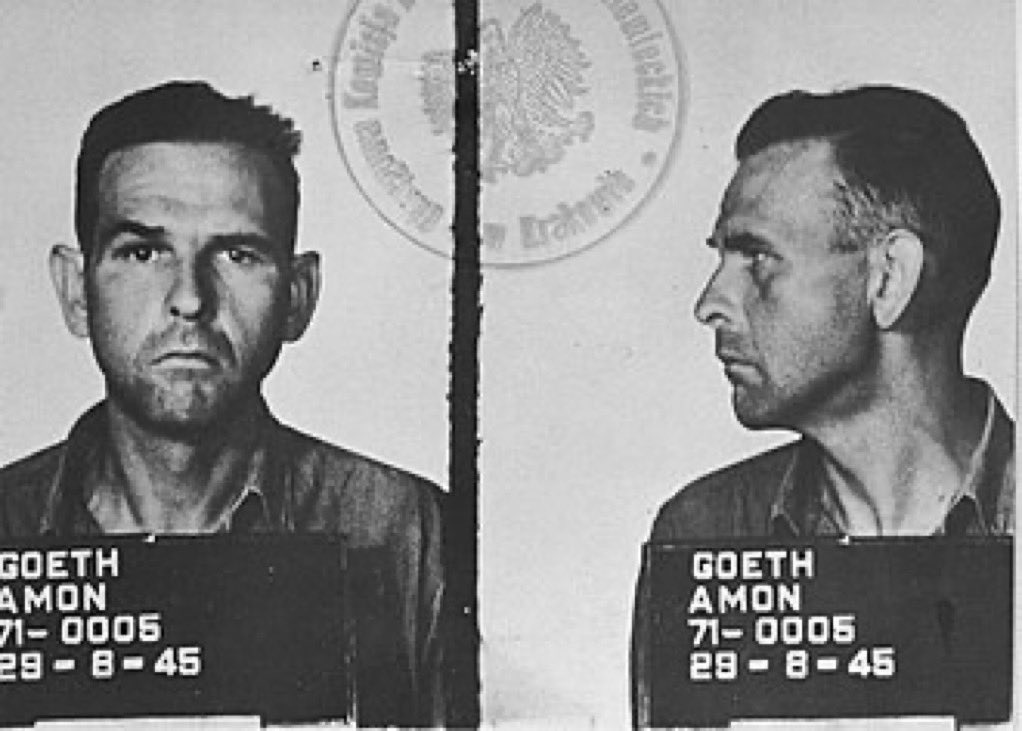
“Göth was scheduled for an appearance before SS Judge Georg Konrad Morgen, (pictured). SS doctors diagnosed Göth with a mental illness, and he was committed to a mental institution in Bad Tölz in Bavaria, where he was arrested by the United States military in May 1945.”
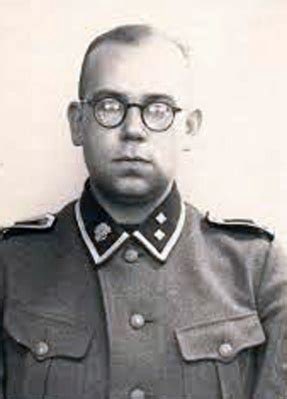
“SS Judge Georg Konrad Morgen was an SS judge and lawyer who investigated crimes committed in German concentration camps. He rose to the rank of SS-Sturmbannführer (major).”
“Morgen was known as a Blutrichter, or ‘blood judge’, as a result of being one of the members of the judiciary authorised to issue the death penalty.”
The first German soldier to be EXECUTED on Morgen’s orders was Georg von Sauberzweig in 1941, for having resold some supplies reserved for the troops on the black market.[6]
In post-war testimony, Morgen claimed the stories of Frau Koch’s fetish with lampshades made of human skin were merely a legend: he had personally searched Koch’s home near Buchenwald and found nothing of the kind. He later told the American journalist John Toland that he persisted in denying the story while being threatened with beatings and while actually being beaten twice by his Allied interrogators after the war.
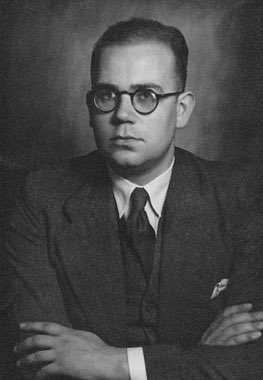
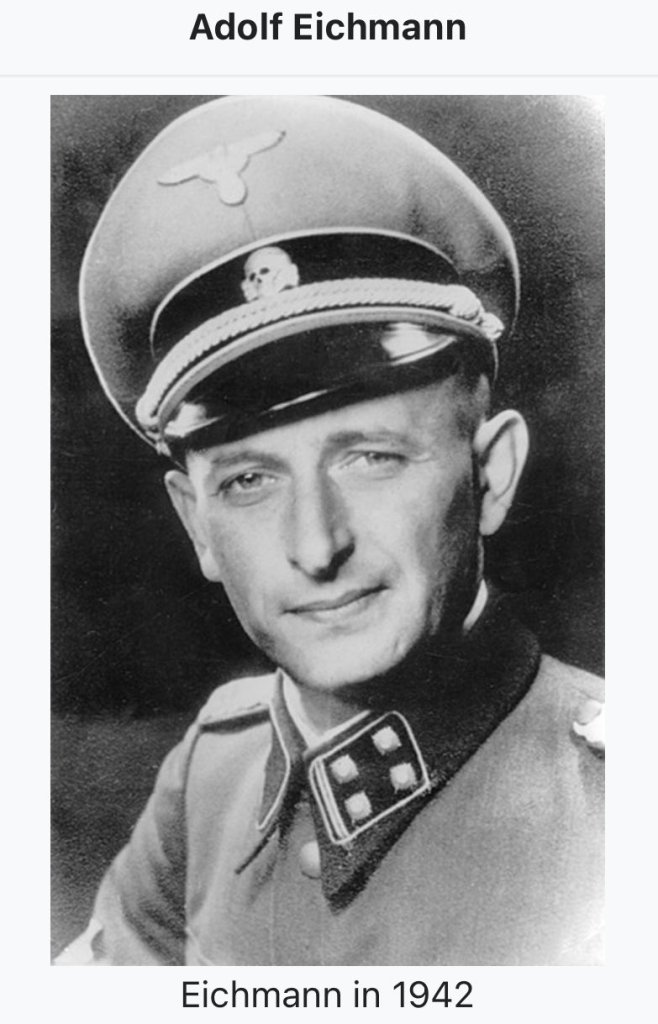
In addition to prosecuting concentration-camp officers, Morgen sought an arrest warrant for Adolf Eichmann, on charges of having taken possession of precious stones seized from prisoners, as Eichmann himself confirmed at his trial in Jerusalem, but Morgen’s request was rejected.
“The fact that the SS, under orders from Heinrich Himmler, attempted to operate the concentration camps (KZ) in a humane manner, in part by prosecuting, jailing and even executing brutal German concentration camp personnel, has been nearly completely suppressed in much of the discussion of the history of World War Two.”
“Millions of people are ignorant of these facts and Spielberg has increased the bigotry and hate in the world by producing a cinematic fantasy. Schindler’s List which demonizes the entire German military, some of whose leaders were, in truth, as horrified and angered by brutality against inmates as any other decent human being would be, and took direct action to stop it.”
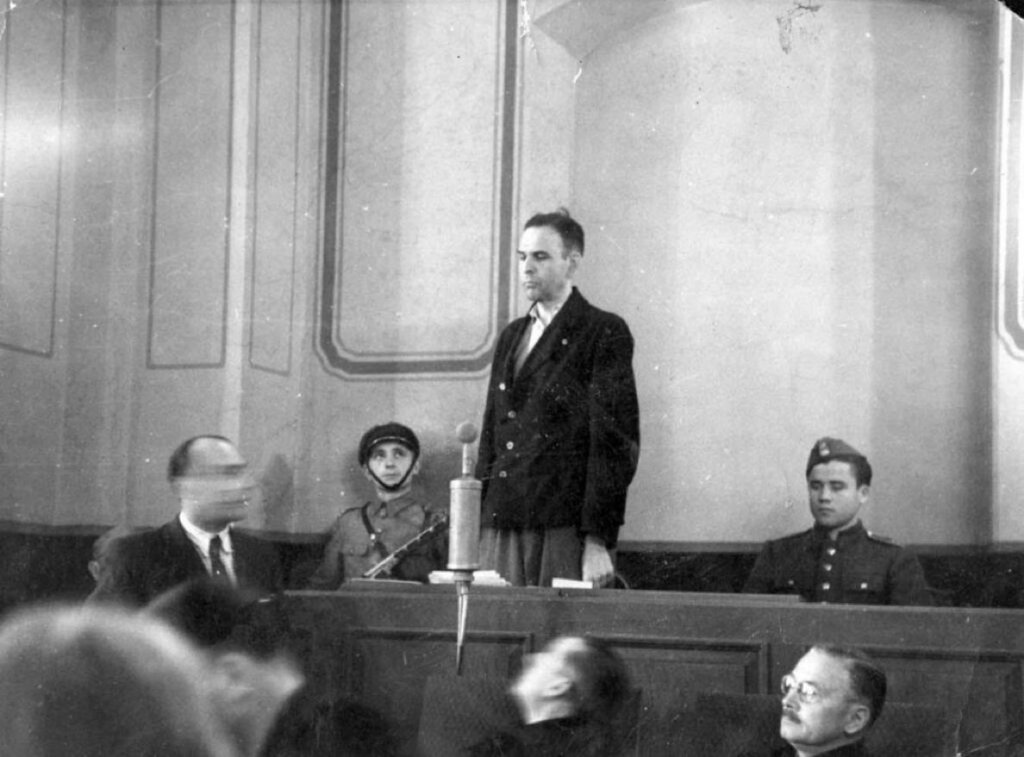
The charges brought against Amon Goeth by the Polish government did not include the charge that he had shot prisoners from his balcony. Nor did the charges brought against him by Dr. Morgen
“Since no order or proof to inflict any crime against inmates has been produced, is it fair to say that these were rare occurrences of soldiers who acted on their own?”
September 13 1946 He was hanged successfully on the 3rd try.
More than a hundred German military cases were brought to a verdict by the Germans.
Maximum punishments were imposed on members of all ranks. Arrested were the commandants of Buchenwald, Lublin, Warschau, Herzogenbosch, KRAKAU-PLASZOW.
The commandants of Buchenwald and Lublin were shot.
Goeth is said to be responsible for 30 to 100 to 10,000 deaths…
German Military indicted by Konrad Morgen:
•Hans Aumeier – Tried, convicted and executed by Poland in 1948.
•Johann Blank – Buchenwald Hauptscharführer, indicted along with Koch; hanged himself in custody on 15 February 1944.
•Hermann Florstedt – Commandant of Majdanek; sentenced to death; possibly executed in 1945.
•Amon Göth – Commandant of the Kraków-Płaszów concentration camp, removed from his position on charges of corruption and excess cruelty. The charges were later dropped due to Germany’s looming defeat. Göth was transferred to a mental hospital. He was arrested there by U.S. soldiers and extradited to Poland, where he was executed in 1946.
•Maximilian Grabner – Head of political section in Auschwitz, accused of murder but not sentenced. Grabner was executed by Poland in 1948.
•Adam Grünewald – Commandant of Herzogenbusch concentration camp; found guilty of maltreatment of prisoners and sentenced to 3.5 years in prison, but later posted to a penal unit; killed in action in 1945.
•Hermann Hackmann – In charge of protective custody in Majdanek – condemned to death for murder but eventually posted to a penal unit; sentenced to death at the Buchenwald trial in 1947, but reprieved; released in 1955; sentenced to another 10 years in prison at the Majdanek trialsin 1981; died in 1994.
•Waldemar Hoven – Buchenwald Hauptsturmführer, arrested for murdering Hauptscharführer Rudolf Köhler in September 1943; released from custody in March 1945; convicted at the Doctors’ Trial and executed in 1948.
•Karl-Otto Koch – Commandant of Buchenwald and Majdanek – executed in 1945 for three unauthorized murders, including that of Walter Kraemer and embezzlement.
•Rudolf Köhler – Buchenwald Hauptscharführer, indicted along with Koch; murdered in custody by Waldemar Hoven in 1943.
•Karl Künstler – Commandant of Flossenbürg concentration camp – dismissed for drunkenness and debauchery; likely killed in action in 1945.
•Hans Loritz – Commandant of Oranienburg – proceedings initiated on suspicion of arbitrary killing; committed suicide in custody in 1946.
•Alexander Piorkowski – Commandant of the Dachau concentration camp – accused of murder but not sentenced; sentenced to death at the Dachau trials and executed in 1948.
•Georg von Sauberzweig – accused of having resold some supplies reserved for the troops on the black market, and executed in 1941.
•Martin Sommer – Buchenwald Hauptscharführer, indicted along with Koch; sentenced to a penal unit and transferred to the Russian Front and wounded; later served time in prison, but died in a nursing home in 1988.